
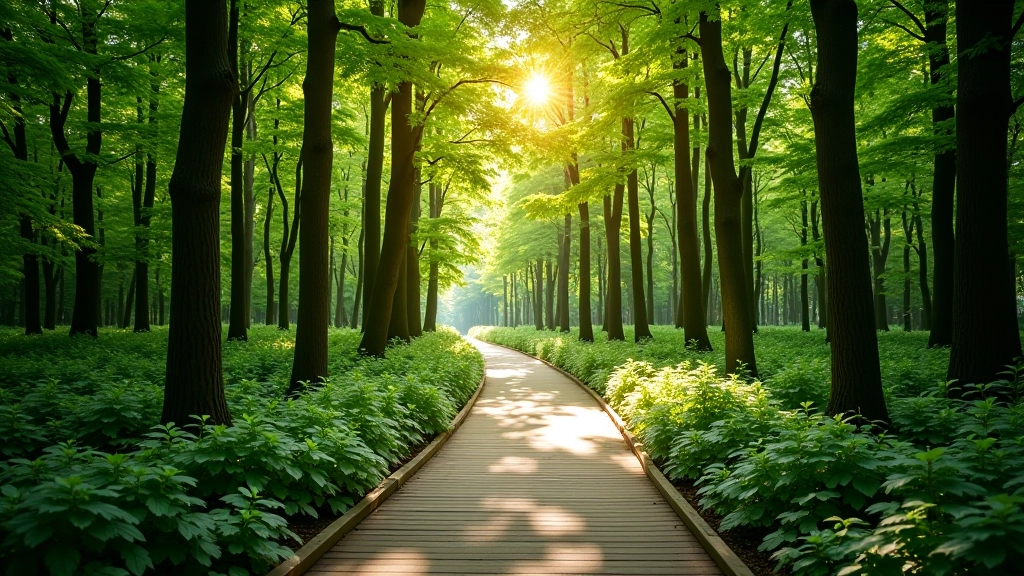
Best Time to Visit the Botanical Garden
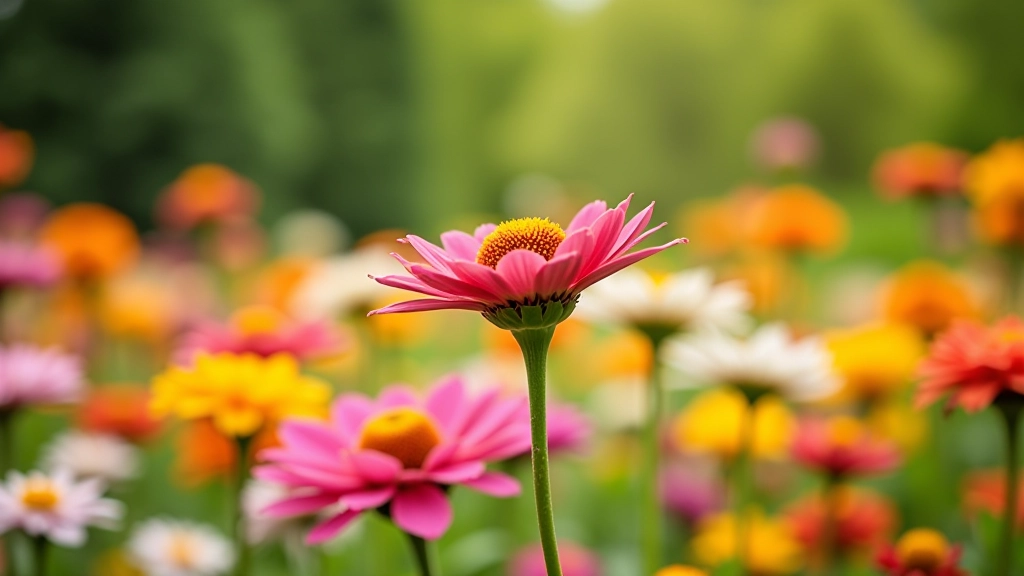

Planning a visit to the botanical garden? Timing really matters. You'll want to experience the gardens when they're at their absolute best — whether that's the explosion of spring blooms, the lush abundance of summer, or the stunning color transitions of autumn. We've spent years guiding visitors through different seasons, and we're here to share what we've learned about making your visit unforgettable.
The truth is, there's no single "best" time. It depends on what draws you in. Spring brings energy and rebirth. Summer offers fullness and warmth. Autumn delivers drama with its color palette. Winter, often overlooked, has a quiet beauty all its own. We'll walk you through each season so you can choose what speaks to you.
4
Distinct Seasons
Each with unique plants and experiences
2,000+
Plant Species
Displaying throughout the year
6
Days Weekly
Open year-round for exploration
Spring: The Season of Awakening
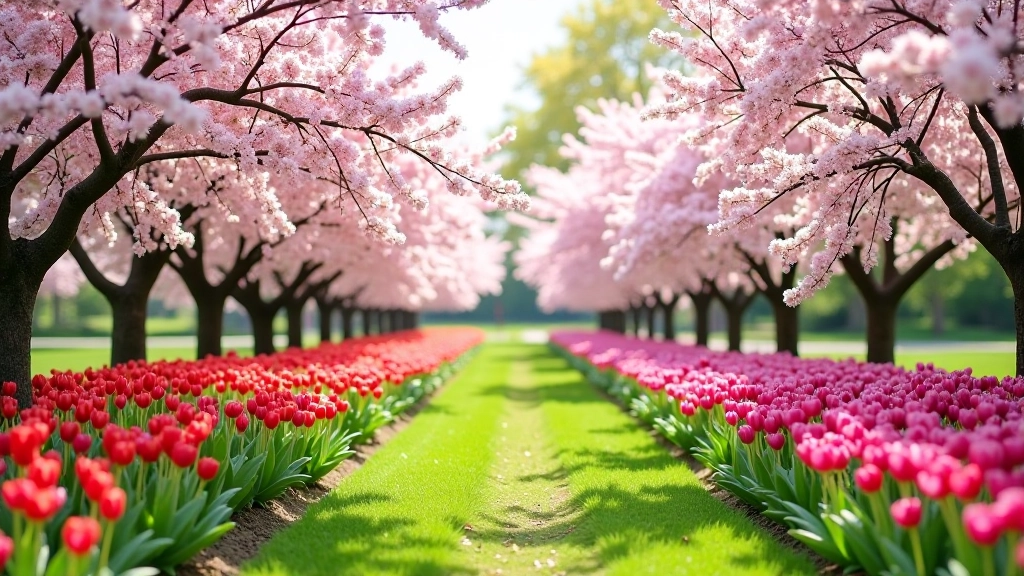
Spring arrives between April and May, and the gardens transform. Everything's coming back to life. Bulbs that were planted months earlier suddenly burst through the soil. The cherry trees line the paths with soft pink and white blossoms. You'll see magnolias, tulips, daffodils, and early rhododendrons creating waves of color across the landscape.
The air smells different in spring. Fresher. You're walking through fragrant blooms, and honestly, it's one of the most rejuvenating experiences you can have. The visitor crowds are moderate — not overwhelming like summer, but noticeably busier than winter. Temperatures hover between 10-15°C, so you'll want a light jacket. Mornings can be cool, but afternoons warm up nicely.
If you're planning a spring visit, aim for late April through early May. That's when the peak bloom happens. The gardens' spring collection includes over 200 varieties of tulips alone, and they're all coordinated to bloom in sequence. You won't catch them all at once, but you'll see something spectacular during any week in that window.
Summer: Peak Growth and Abundance
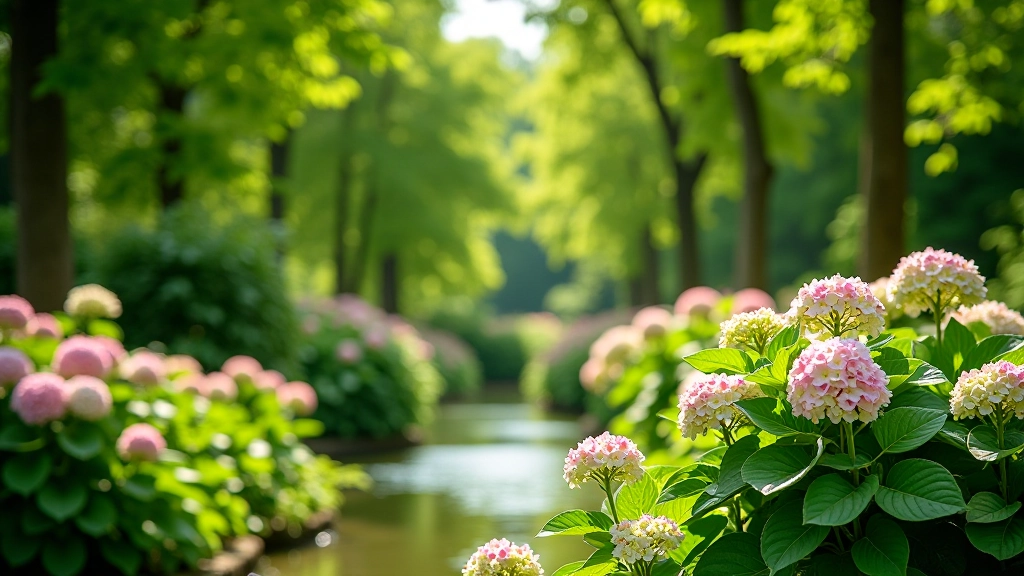
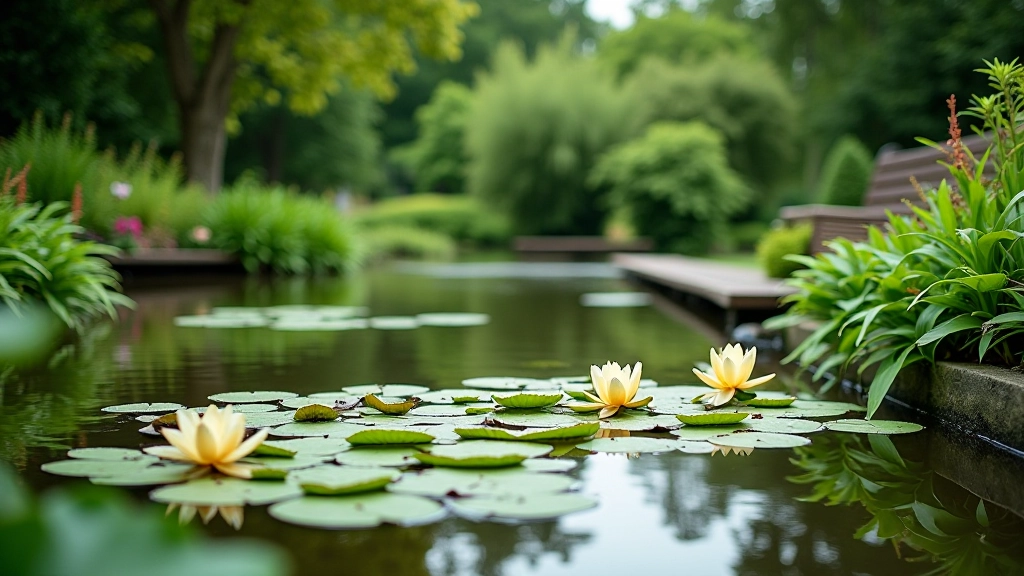
June through August brings full gardens. Everything's mature now. Roses are at their peak. Hydrangeas create massive blue and purple clouds. The water features are active — fountains running, reflecting pools shimmering. You'll see gardens bursting with life. Colors are deeper, more saturated. The plant density makes you feel like you're actually inside nature, not just looking at it from a path.
Temperatures climb to 20-25°C, sometimes warmer. Summer days are long — the gardens stay open later, and you've got plenty of daylight for exploring. But here's the trade-off: summer's peak is also when most visitors come. Weekends get crowded, especially early July. Weekday visits are more peaceful. Early morning visits, before 10 AM, offer the best experience — cooler temperatures, fewer people, better light for photos.
Summer's ideal for visitors who like warm weather and don't mind crowds. If you prefer quieter visits, come on a weekday or in late August when crowds thin out. The gardens never lose their impact in summer — they just share it with more people.
Planning Your Visit
This guide provides general information about seasonal conditions and visitor experiences at the botanical garden. Specific conditions, hours of operation, and available facilities may vary by year. We recommend checking the official website for current opening hours, admission details, and any seasonal events before your visit. Weather conditions can affect accessibility on certain paths, so those with mobility considerations should contact the gardens directly for specific route information.
Autumn: The Spectacular Color Show
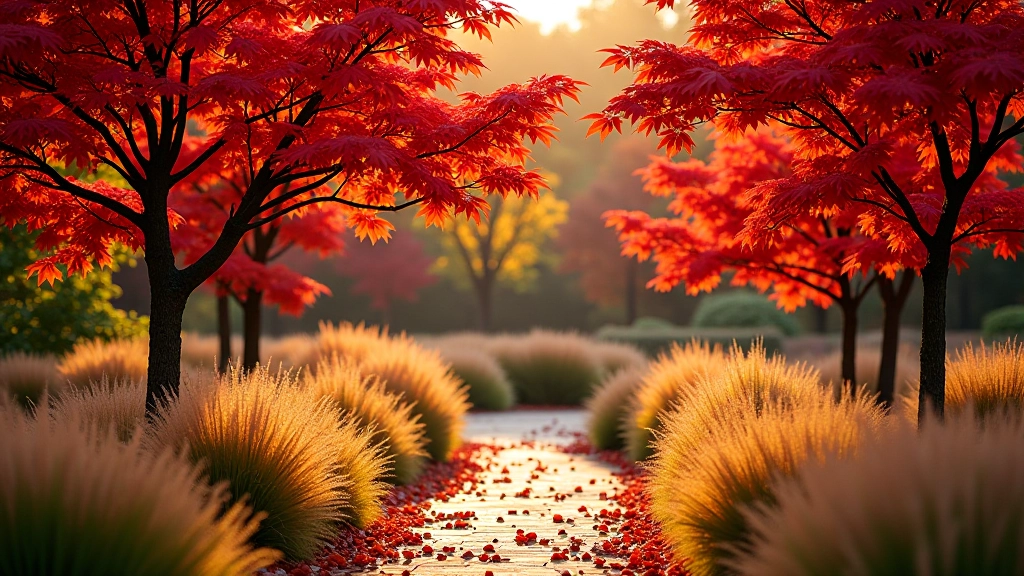
September through November brings something truly special. The gardens shift into a different palette entirely. Trees change — yellows, oranges, deep reds, burgundies. It's not just the traditional fall foliage you'd find in a forest. The botanical garden has specifically cultivated plantings designed to create maximum color impact. Japanese maples turn crimson. Ornamental grasses transition to golden bronze. Perennials develop seed heads that catch the light beautifully.
The best autumn experience happens in mid-to-late October, when colors peak but temperatures are still comfortable (around 10-15°C). Early October can feel like extended summer. Late November starts getting cold and gray. But that middle window? It's genuinely stunning. Crowds drop significantly after September ends. You get the beauty without fighting through summer visitor numbers.
Autumn also brings a sense of completion to the growing season. You're seeing plants at the end of their annual cycle, showing their full architectural forms. This is when many gardeners visit to study plant shapes and structures. The light changes too — lower angles, warmer tones, longer shadows. Photography enthusiasts love autumn for these lighting conditions.
Winter: Quiet Elegance and Structure
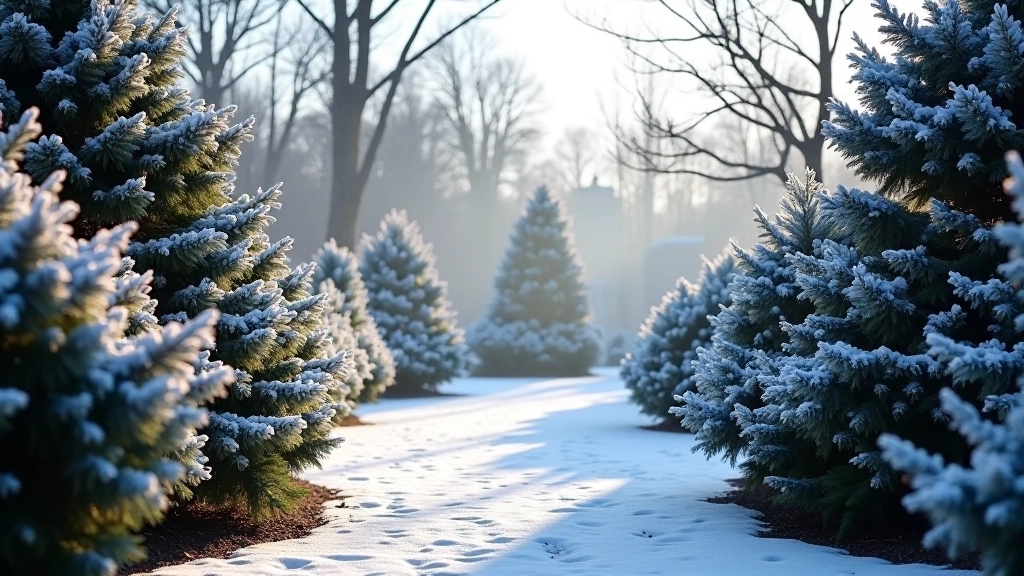
December through February gets overlooked, but winter's got its own quiet beauty. Most people assume gardens close or become boring in winter. Actually, that's when you see the bones of the garden. With leaves gone, you notice plant architecture — branch patterns, forms, structures you'd miss in summer's fullness. Evergreens become the stars: conifers, holly plantings, and other year-round greenery create visual interest when deciduous plants are dormant.
Winter means fewer visitors. Way fewer. You've got the gardens mostly to yourself. Temperatures drop to 0-5°C or below, so you'll need proper cold-weather clothing, but on clear winter days, the light is absolutely beautiful. Low angles, crisp shadows, that crystalline quality winter light has. The paths are usually cleared and accessible, though you should wear appropriate footwear for potentially icy sections.
Winter visits suit contemplative visitors and serious photographers. If you're looking for solitude and a different way to experience the gardens, winter's your season. The quietness itself becomes part of the experience. You hear your own footsteps, birds singing, maybe wind in the trees. It's peaceful in a way summer crowds can never achieve.

Your Perfect Visit Awaits
The best time to visit the botanical garden is whenever you can. But now you've got specific knowledge about what each season offers. Spring brings energy and fragrance. Summer delivers fullness and warmth, though with crowds. Autumn creates a spectacular color show with manageable visitor numbers. Winter offers solitude and architectural beauty.
Consider what draws you most. Are you seeking visual drama? Autumn's your season. Want warm weather and don't mind crowds? Summer works. Prefer quiet contemplation? Winter's underrated. Looking for that fresh, hopeful feeling? Spring delivers. The gardens don't close — they shift. Each season reveals different aspects of the same remarkable place.
Plan your visit around what speaks to you. Check the weather. Dress appropriately. Bring a camera if you like. Walk slowly enough to actually notice things. The botanical garden's been cultivated over decades to reward observation. Whichever season you choose, you're going to see something worth your time.