
Walking Trails at Salaspils Dendrarium
Discover the main paths through one of Latvia's most extensive plant collections. Over 2,000 species await you across beautifully maintained trails.

Explore at Your Own Pace
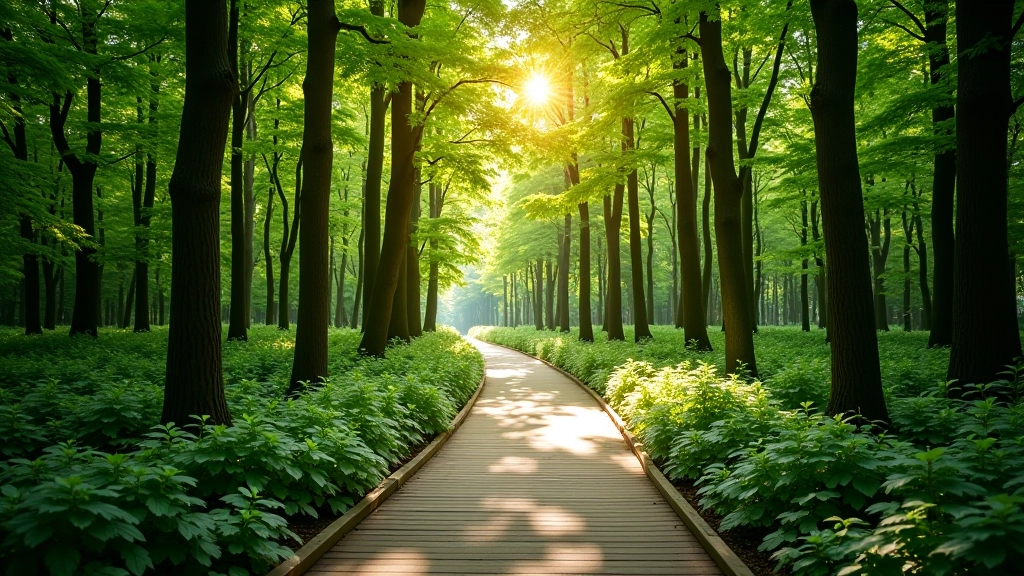
The Salaspils Dendrarium isn't just a garden — it's a living library of trees and shrubs from around the world. What makes it special is how accessible everything is. You're not rushing through manicured gardens here. Instead, you're wandering through genuine forests and meadows, each section organized so you can understand what you're seeing.
The main trails are well-maintained with clear signage. Most people spend 2 to 4 hours here, depending on how many detours they take. The paths are gentle enough for seniors and families, yet interesting enough that you'll want to spend time really looking around.
The Main Trails: Where to Start
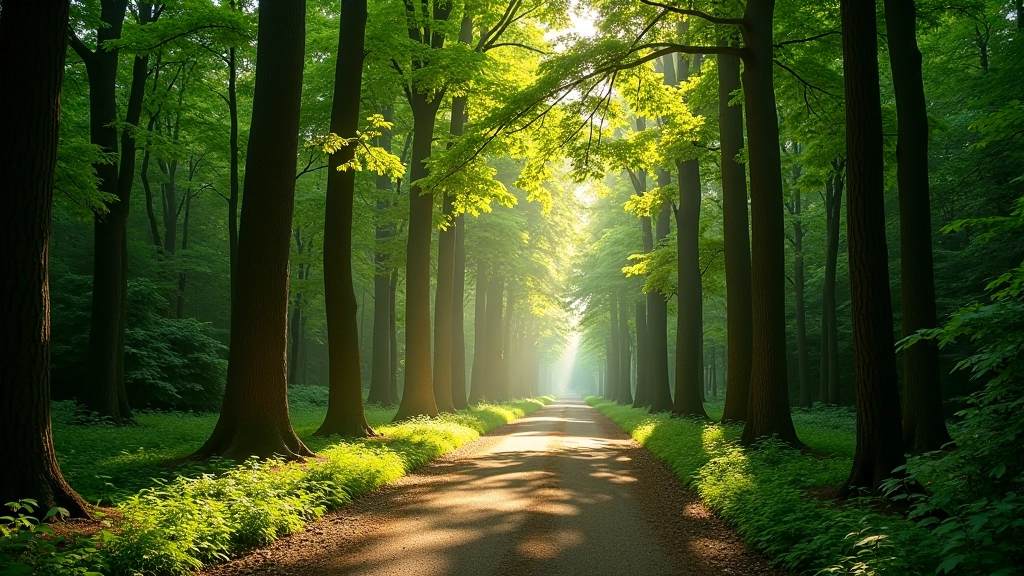
The dendrarium has five main trails. They're all marked with colored signs, so you won't get lost. The Red Trail is the most popular — it's about 2.5 kilometers and takes you through the oldest sections. You'll see oaks, birches, and spruces that have been growing here for decades. It's genuinely impressive when you're standing next to a 40-year-old tree that's become part of the landscape.
The Blue Trail (1.8 km) focuses on rare and exotic species. This is where you'll find plants from Japan, North America, and Siberia. It's shorter than the Red Trail, so it works well if you're visiting on a warm day or don't have much time. The Green Trail connects both and lets you create your own route. Don't skip it — some of the quietest spots are along this path.
The Yellow Trail is specifically designed for easier walking. Gentler slopes, more rest areas, and it takes about 90 minutes to complete. It's perfect if you're recovering from an injury or just want a relaxing walk without climbing.

What You'll See Along the Way
Each trail has distinct sections worth your attention
The Conifer Grove
Home to 40+ species of pines, spruces, and firs. The oldest specimens date back to the 1950s. The grove is particularly striking in winter when snow highlights the varied branch structures.
Deciduous Forest Section
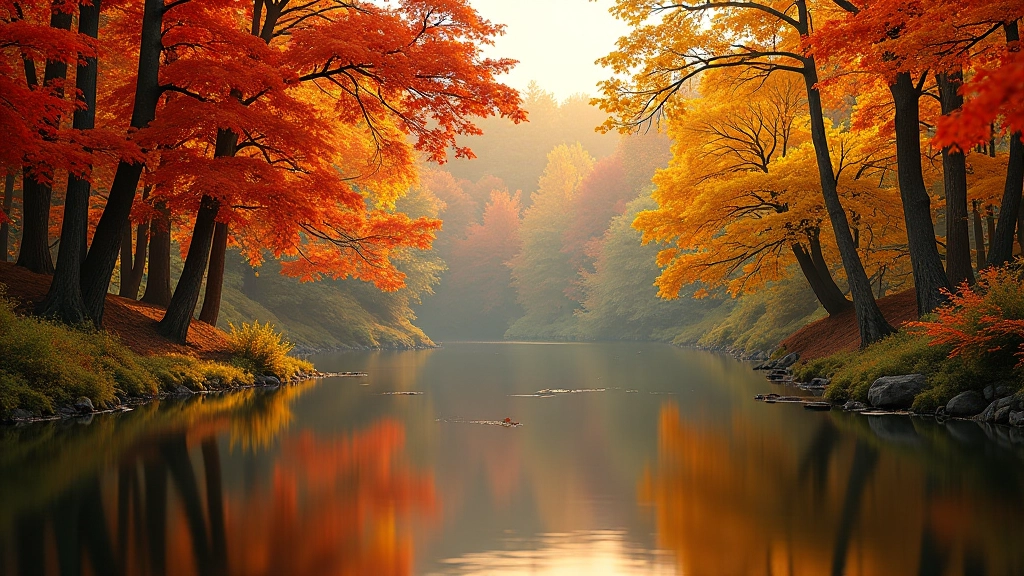
Oak, maple, and birch trees create a natural canopy. Spring brings wild flowers and new growth. Fall is spectacular — reds, oranges, and yellows transform the entire section.
The Ornamental Garden
This area showcases flowering shrubs and carefully curated plantings. Best visited in May and June when blooms are at their peak. Benches here offer perfect spots for sketching or just sitting.
The Pond Area
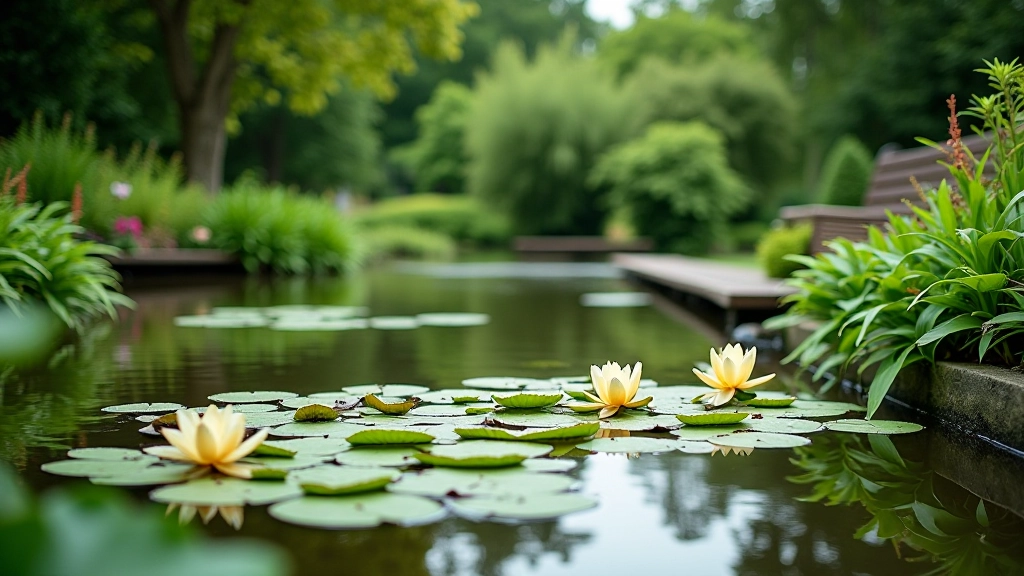
A peaceful spot with water-loving plants. Dragonflies and waterfowl visit regularly. The surrounding wetland vegetation is unique and worth studying up close.
Important Information
This guide is for informational purposes to help you plan your visit. While the trails are well-maintained and suitable for most visitors, individual abilities vary. We recommend checking weather conditions before visiting, wearing appropriate footwear, and bringing water. If you have specific mobility concerns, contact the dendrarium directly for personalized recommendations. The information here reflects conditions as of June 2026 and may change seasonally.
Planning Your Visit
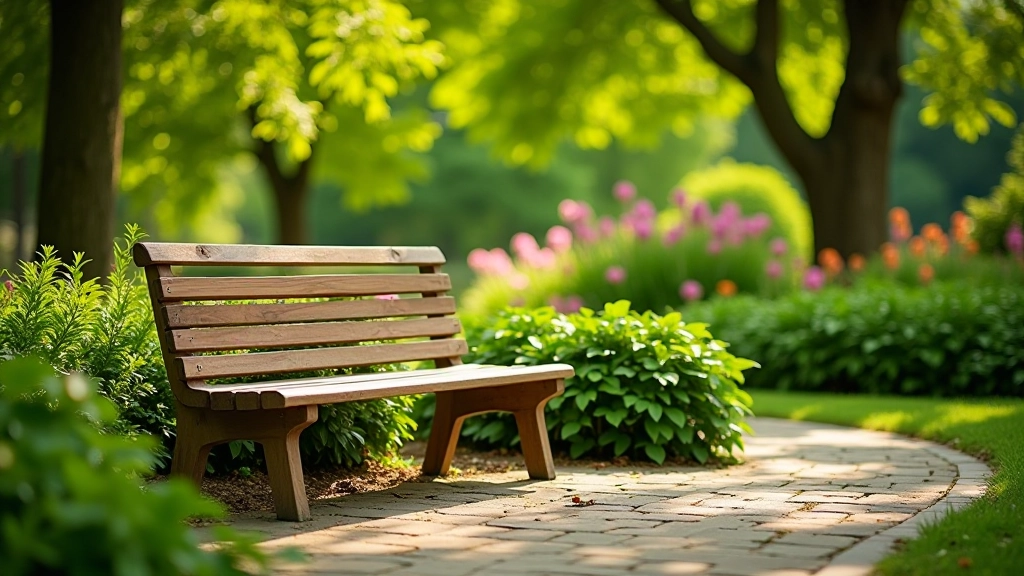
You'll find rest areas distributed throughout the dendrarium. There's no need to power through if you're tired. The benches are placed strategically — at viewpoints, near water features, and at trail junctions. Most visitors appreciate having spots to stop every 15 or 20 minutes.
Bring comfortable walking shoes with good grip. The trails aren't paved everywhere, and you'll encounter gravel, grass, and sometimes muddy sections depending on recent weather. Spring and autumn are ideal times to visit — the temperatures are mild and the vegetation is at its most interesting.
The visitor center has maps, and staff can answer questions about specific plants. There's also a small café if you want a drink or light snack. Photography is encouraged, especially if you're interested in documenting plant species or seasonal changes.
Seasonal Highlights
Each season transforms the dendrarium. Spring (May-June) brings new growth and flowering shrubs. The energy is palpable — everything's unfurling, and the bird activity increases noticeably. Summer keeps the greenery lush, though midday heat can be intense. Autumn (September-October) is genuinely stunning. The color changes happen gradually, so you can watch the transition if you visit multiple times.
Winter isn't closed, and it's worth experiencing. Snow highlights the architecture of bare branches. Evergreens become the main visual focus. It's quieter than other seasons, which many visitors prefer. The only consideration is that paths can be icy — bring appropriate footwear and take your time.

Your Dendrarium Journey Awaits
The Salaspils Dendrarium isn't a place you rush through. It's somewhere you return to, noticing different details each time. Whether you're interested in plant species, want a peaceful walk, or simply need time in nature, the trails deliver. The dendrarium staff maintains everything beautifully, and the organization makes it easy to explore at whatever pace suits you.
Start with the trail that appeals to you most. Don't worry about "seeing everything" in one visit. The best part of the dendrarium is that it rewards repeat visits. Each season brings something new to discover, and you'll always find something you missed before.