

Accessible Routes for Easy Strolling
Discover well-maintained paths and gentle walking options designed for comfortable garden exploration at every pace


Walking through a botanical garden shouldn't feel like a challenge. We're fortunate to have routes at Salaspils Dendrarium and the National Botanic Garden that cater to visitors of all mobility levels. Whether you're recovering from an injury, managing arthritis, or simply prefer a gentler pace, there's a path waiting for you.
The key is knowing where to go and what to expect. We've mapped out the most accessible routes, identified rest areas, and gathered practical tips from regular visitors who've navigated these gardens successfully. You'll find that accessibility doesn't mean missing out — it means experiencing nature on your own terms.
Why Accessible Routes Matter
Proper pathways mean you can spend energy enjoying plants instead of fighting terrain. Flat surfaces, gentle grades, and regular rest stops transform a garden visit from exhausting to rejuvenating.
The Main Loop: Your Best Starting Point
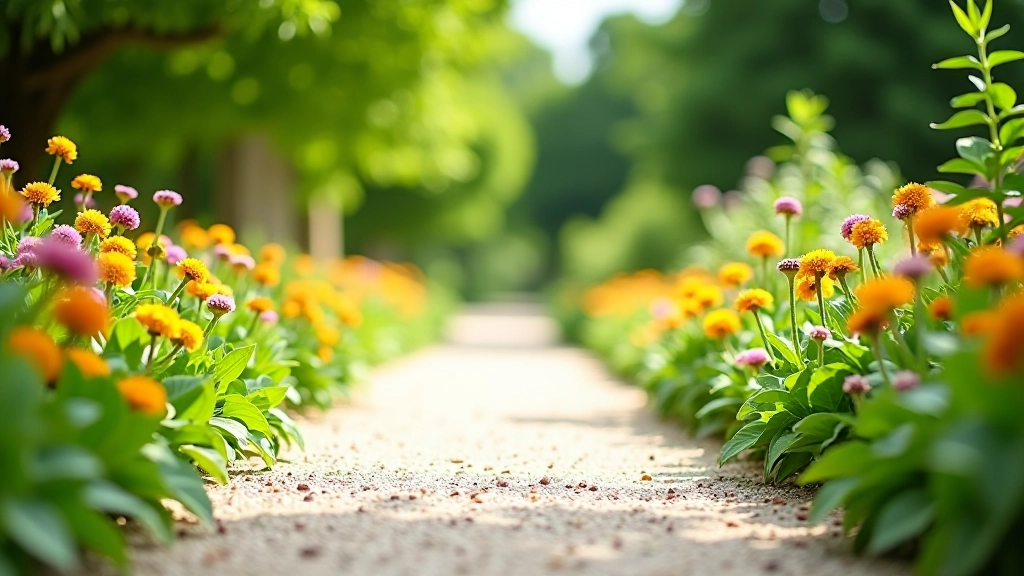
Both gardens have established main loops that are specifically maintained for easy walking. At Salaspils Dendrarium, the primary circuit is about 2.5 kilometers and takes roughly 60 to 90 minutes at a comfortable pace. The surface is compacted gravel mixed with stone dust — firm enough to prevent sinking, yet soft enough to reduce joint impact.
The National Botanic Garden's central path spans approximately 3 kilometers with similar surface treatment. What's important isn't the distance. It's that you're not fighting uneven ground. Most visitors are pleasantly surprised. The grades are genuinely gentle — nothing steeper than what you'd encounter on a modest ramp.
You'll notice benches positioned every 150 to 200 meters. That's intentional design. Take them. Sit, breathe, and enjoy the view. Nobody's timing you.
Accessible Features You'll Actually Use
Modern accessibility isn't just about wheelchairs — it's about removing barriers for everyone. The gardens have installed:
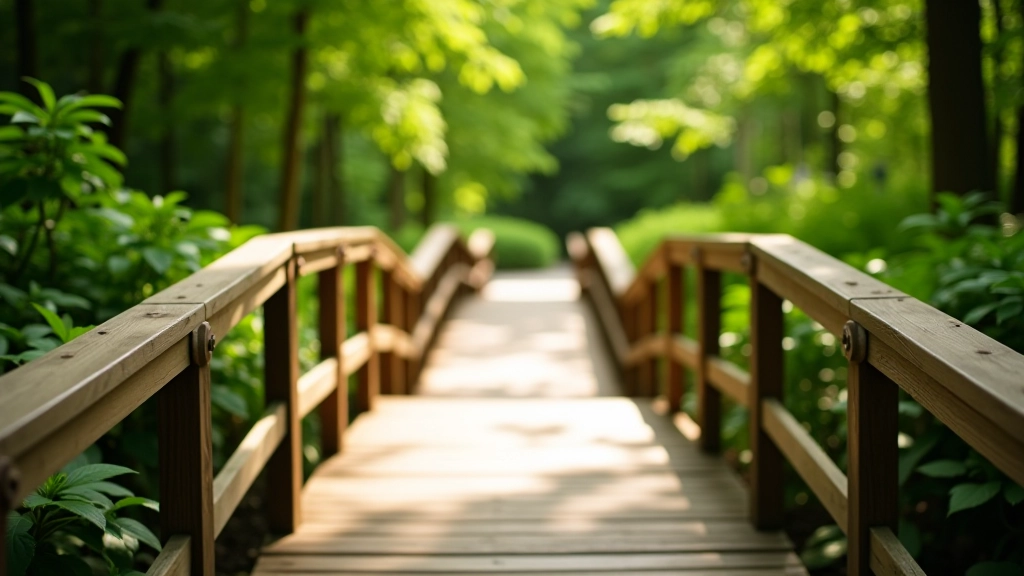
- Handrails on all slopes steeper than 3%
- Rest areas with backs on benches (essential for people with balance issues)
- Wide pathways — 1.8 meters minimum, so walkers and canes don't create bottlenecks
- Accessible restrooms positioned along main routes
- Drinking fountains with wheelchair-height spouts
Don't overlook the smaller touches. Shade structures aren't decoration — they're crucial when you're managing heat sensitivity or need breaks from sun exposure. The gardens have learned this through years of visitor feedback.
Important Information
This article provides educational information about accessible routes at Latvian botanical gardens. Conditions change seasonally and following maintenance work. We recommend contacting the gardens directly or checking their websites before visiting to confirm current path conditions, closure information, and available facilities. If you have specific mobility requirements, speaking with garden staff can help you plan the best route for your visit.
Alternative Routes and Shorter Options
Not everyone wants to commit to a full circuit. Both gardens offer what we call "sampling routes" — shorter paths that let you experience the best parts without the full commitment.
At Salaspils, the Arboretum Section Loop is only 1.2 kilometers. You'll see centuries-old trees without the extended walk. The National Botanic Garden's Rose Garden Circuit is similarly compact — about 800 meters — and absolutely stunning during blooming season.
These shorter routes aren't dumbed down. You're still getting genuine botanical experience. You're just being strategic about your energy. And that's smart traveling, not limiting yourself.


Navigation and Practical Tips
Here's what we've learned from visitors who've explored these gardens successfully. First: arrive early. The morning hours are quieter, cooler, and the pathways feel less crowded. You're not rushing.
Second: download the garden maps. Both Salaspils Dendrarium and the National Botanic Garden have detailed maps showing path grades, rest areas, and restroom locations. That's not cheating — that's planning smart.
Third: bring water and wear proper shoes. The pathways are well-maintained, but supportive footwear matters. Same with hydration. Don't rely on finding water stations — carry what you need.
And finally: don't hesitate to ask staff. Garden employees know every path intimately. They can suggest routes based on your specific needs and current conditions. They've seen it all and want your visit to go well.
Your Garden Visit Awaits
Accessible routes aren't a compromise. They're an invitation to experience something genuinely beautiful without sacrifice. The Dendrarium and National Botanic Garden have invested in infrastructure because they understand something fundamental: gardens belong to everyone.
You don't need superhuman fitness to appreciate a 300-year-old oak tree. You don't need to complete a marathon to smell roses. What you need is a well-designed path, some thoughtful rest spots, and permission to move at your own pace.
That's exactly what you'll find here. So plan your visit. Pick a day that feels right. And discover why these gardens have been drawing visitors for generations. Your pace, your route, your experience.